


From here the Earth is beautiful, without barriers and borders.
Jurij A. Gagarin
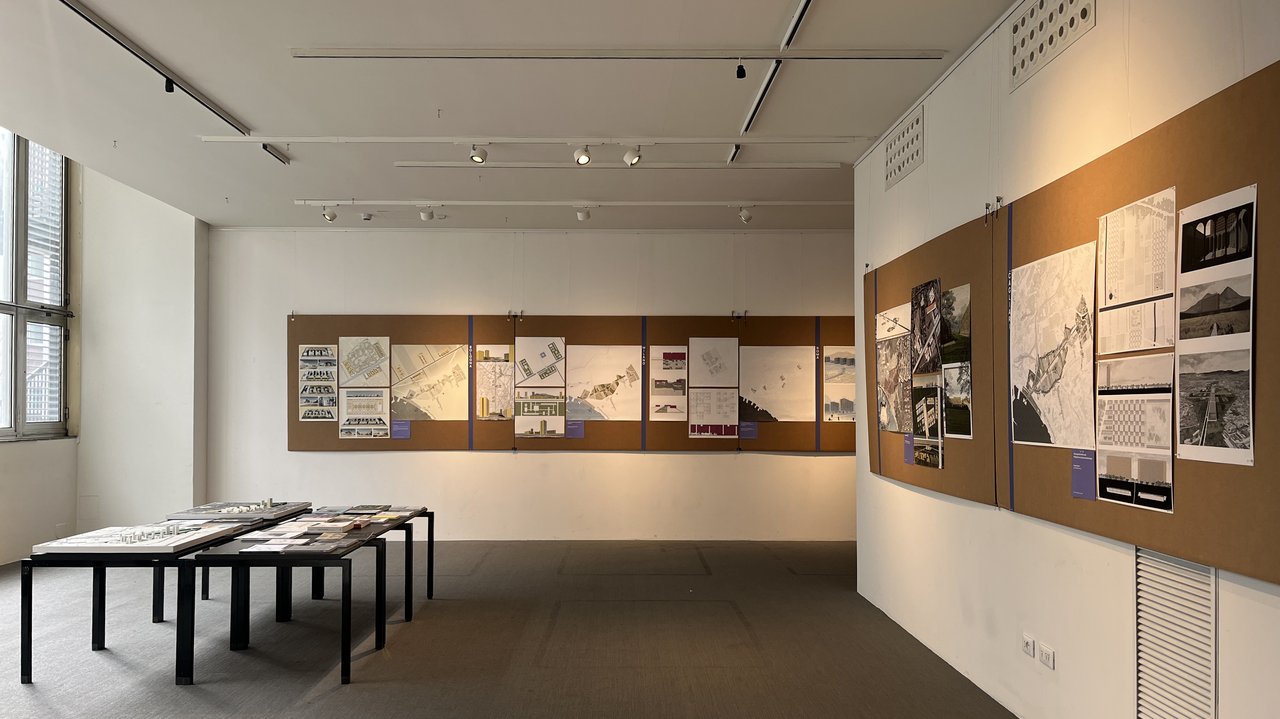
The research project ‘INCLUCITY _INCLUsive spaces for the intercultural CITY’ aimed to place the issue of migrant housing at the centre of theoretical reflection and operational experimentation.
From the very first draft of the project, it was understood that the issue of migrant housing, in its many forms, is – perhaps more than many others – a topic that, in order to be addressed, requires a multidisciplinary approach.

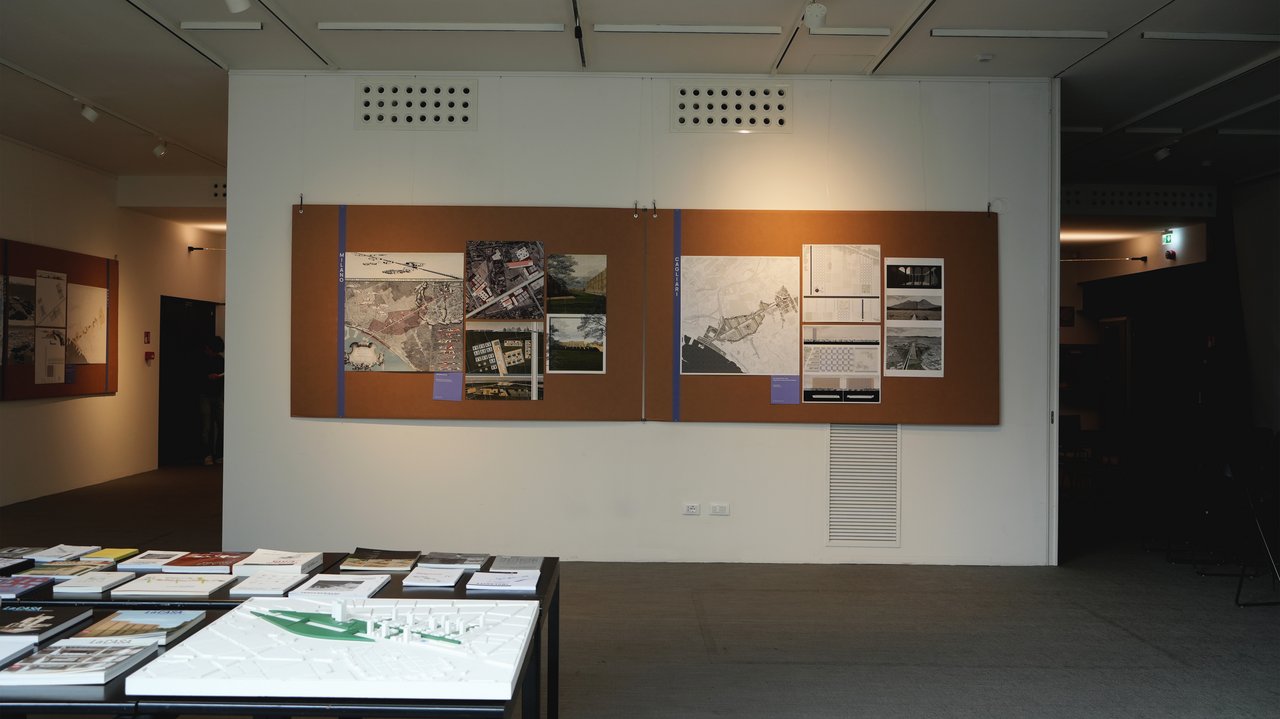
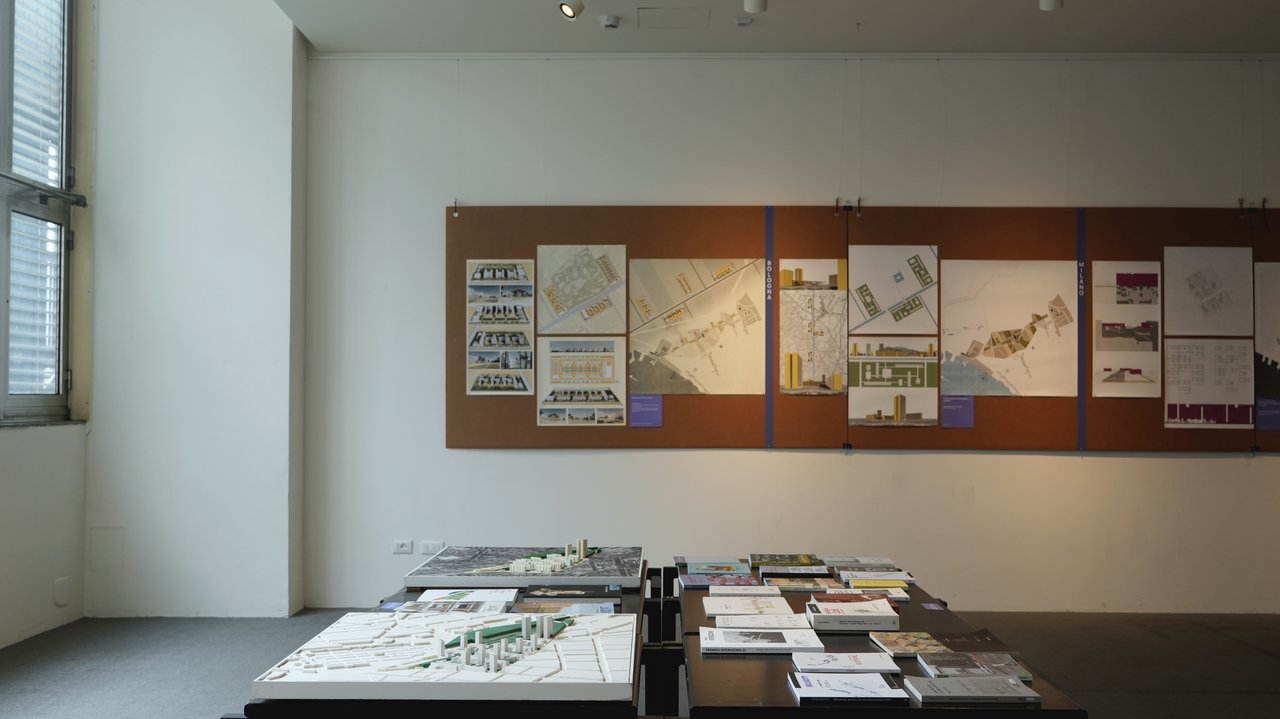
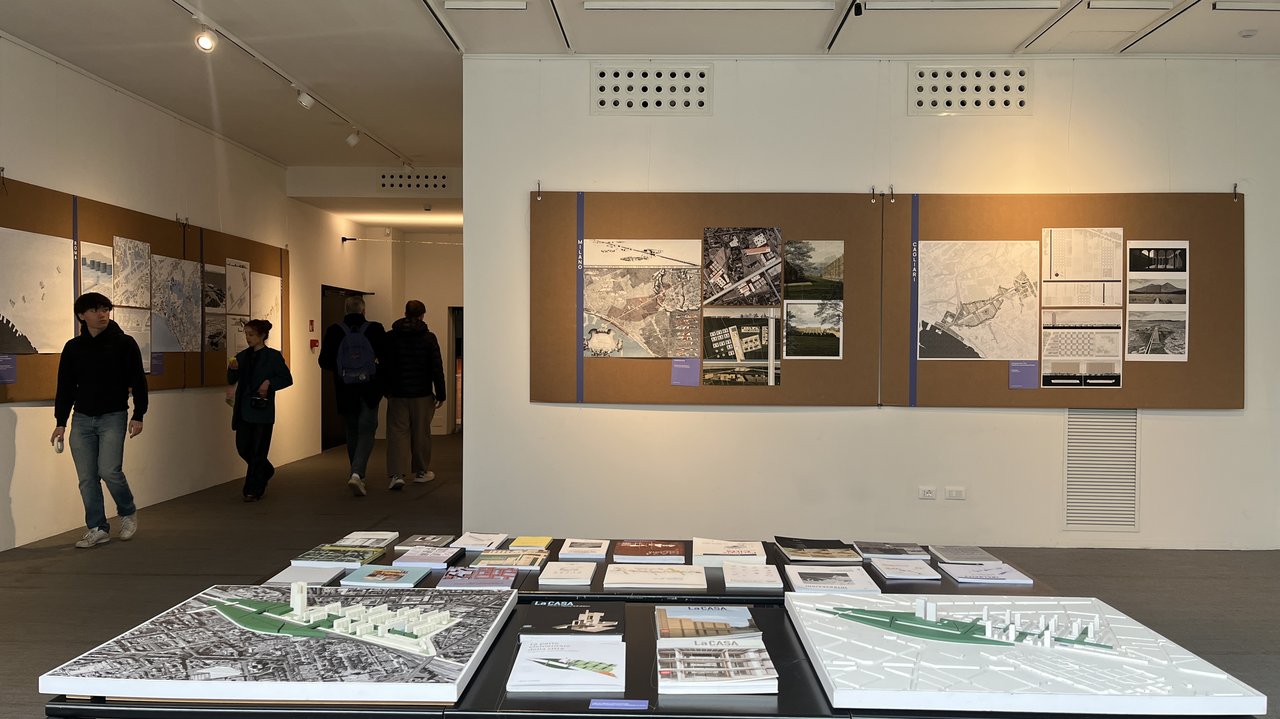
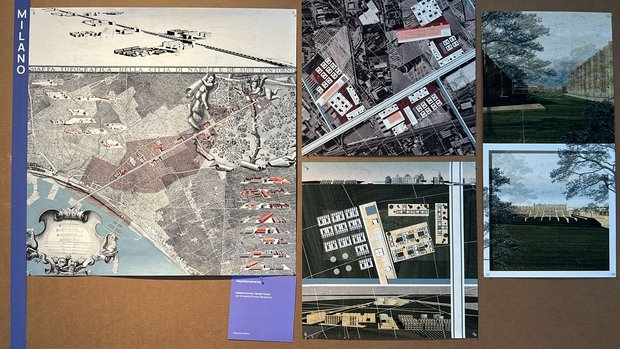
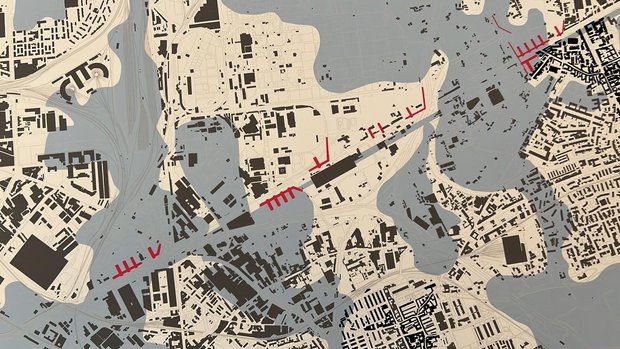
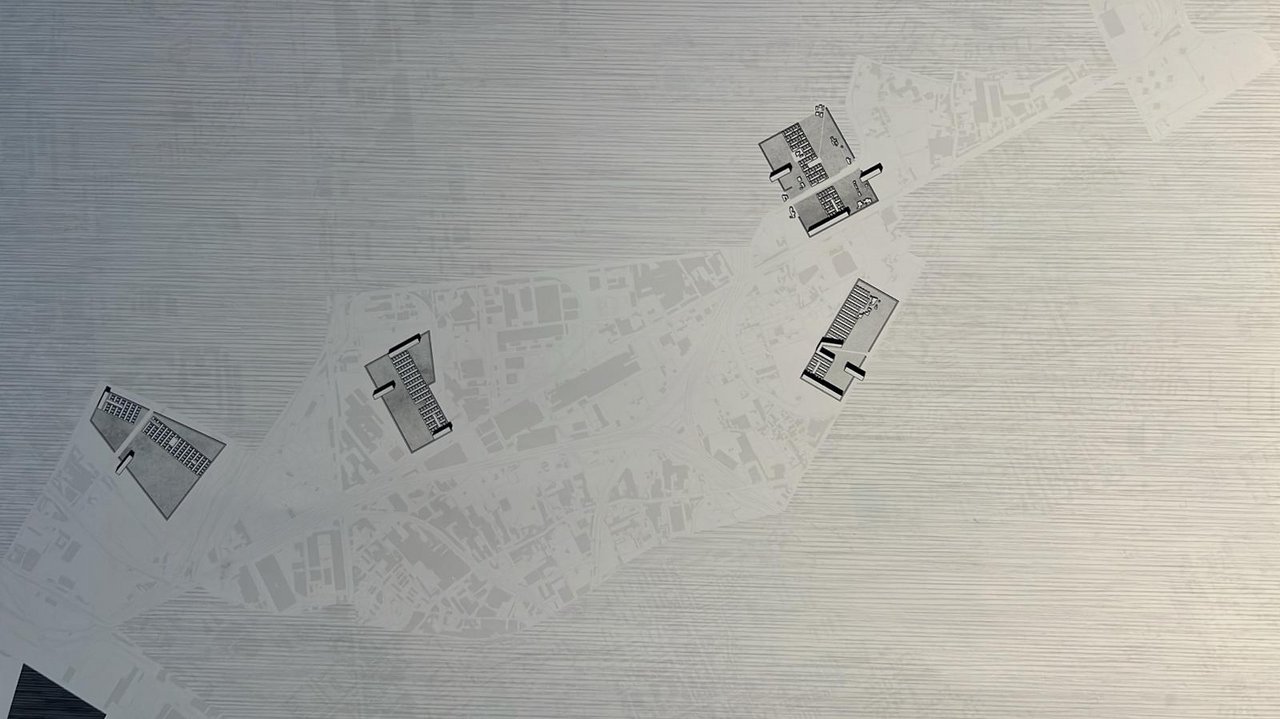
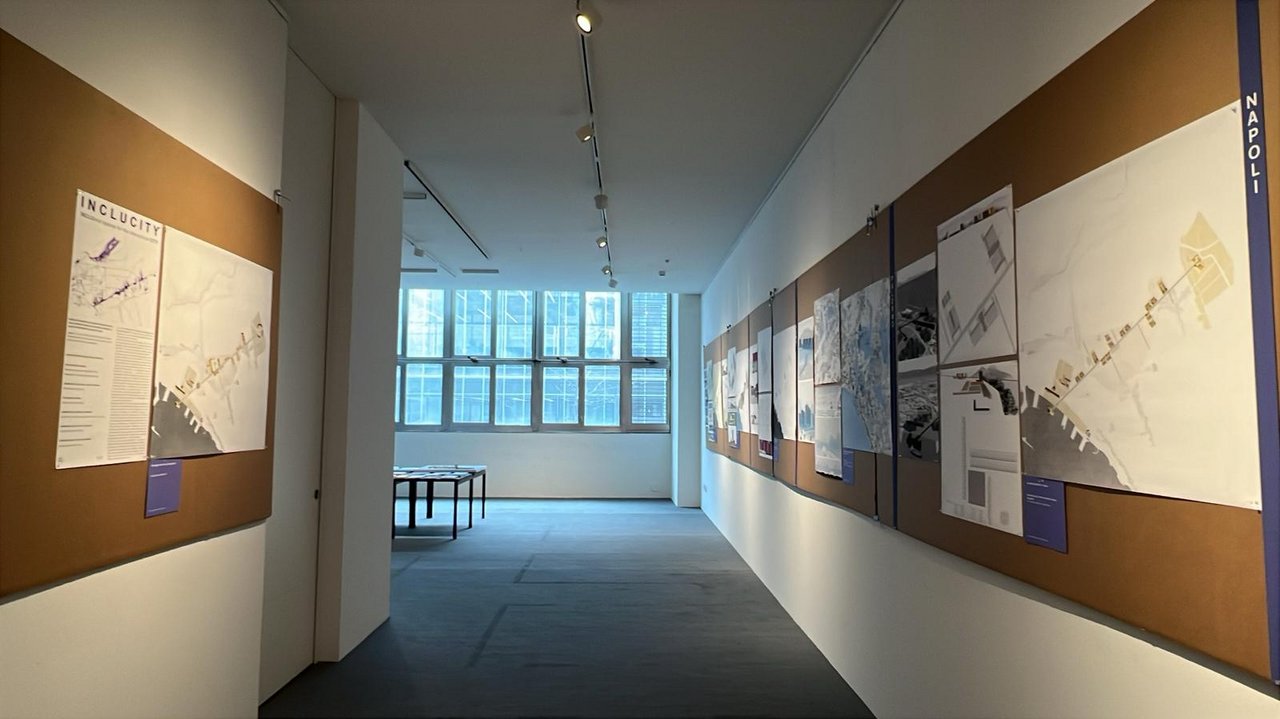
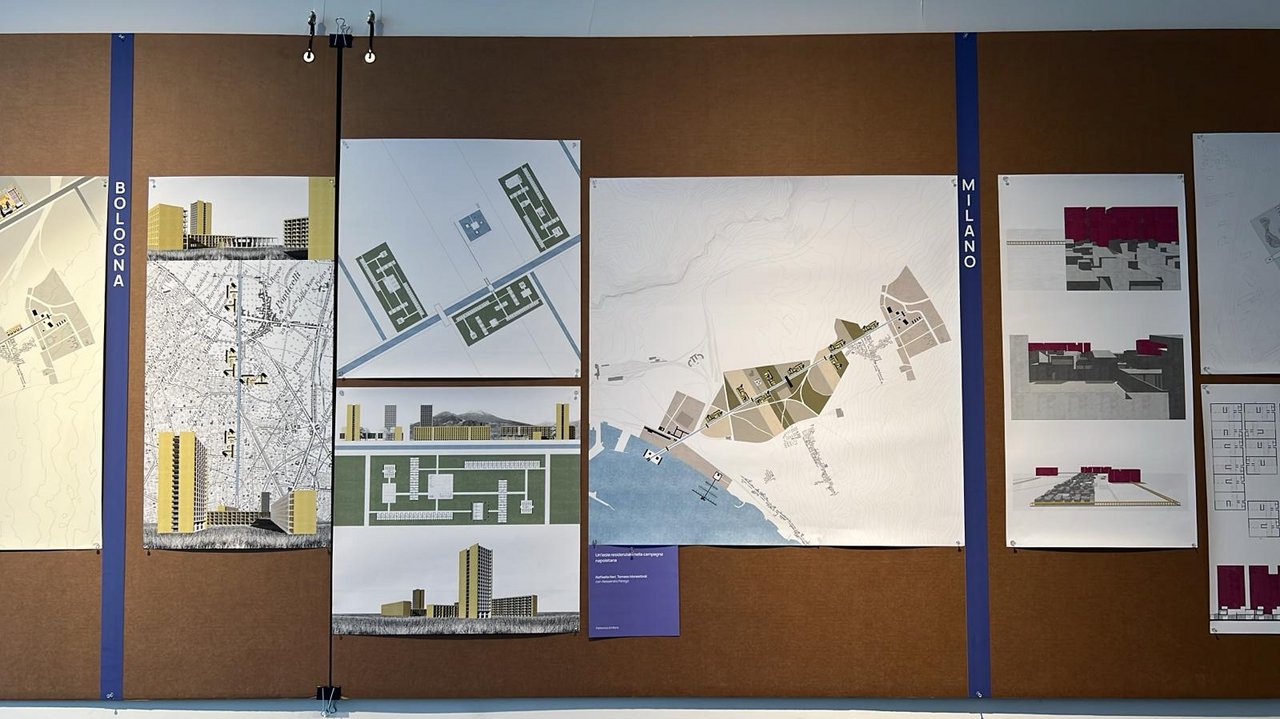
For this reason, the first phase of the research was also and above all a “listening phase”, aimed more at clarifying and perhaps even partially reformulating the questions than at providing answers. The results of this “listening” were documented in the first volume, INCLUCITY Riflessioni su ... followed by the second, INCLUCITY Progetti per ... on the project verification work in the eastern area of Naples. The project proposes a hypothesis for the transformation of the eastern area of Naples along the axis of Via Argine, where it is proposed to locate new complex settlement units consisting of residences, collective spaces, public spaces and workplaces, finished in form so that - according to the urban hypothesis - they can, interspersed with pockets of rediscovered nature, construct a discontinuous settlement system and represent a new idea of a city for all.
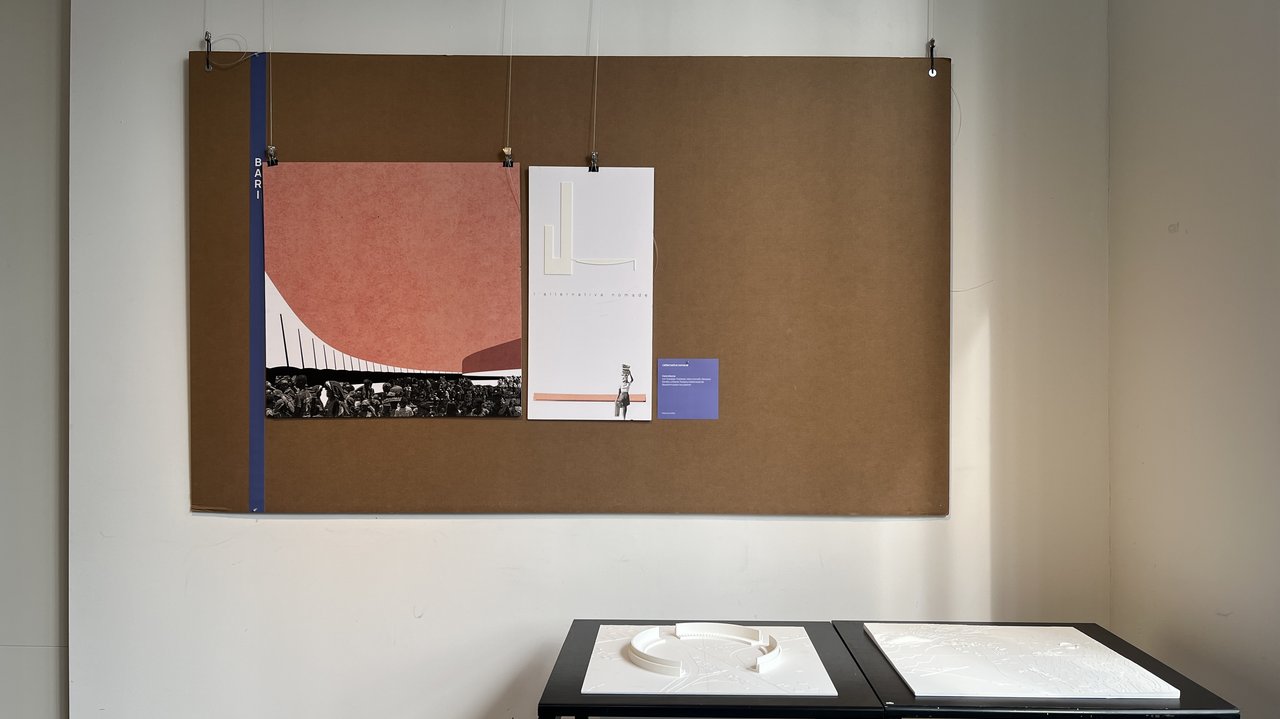
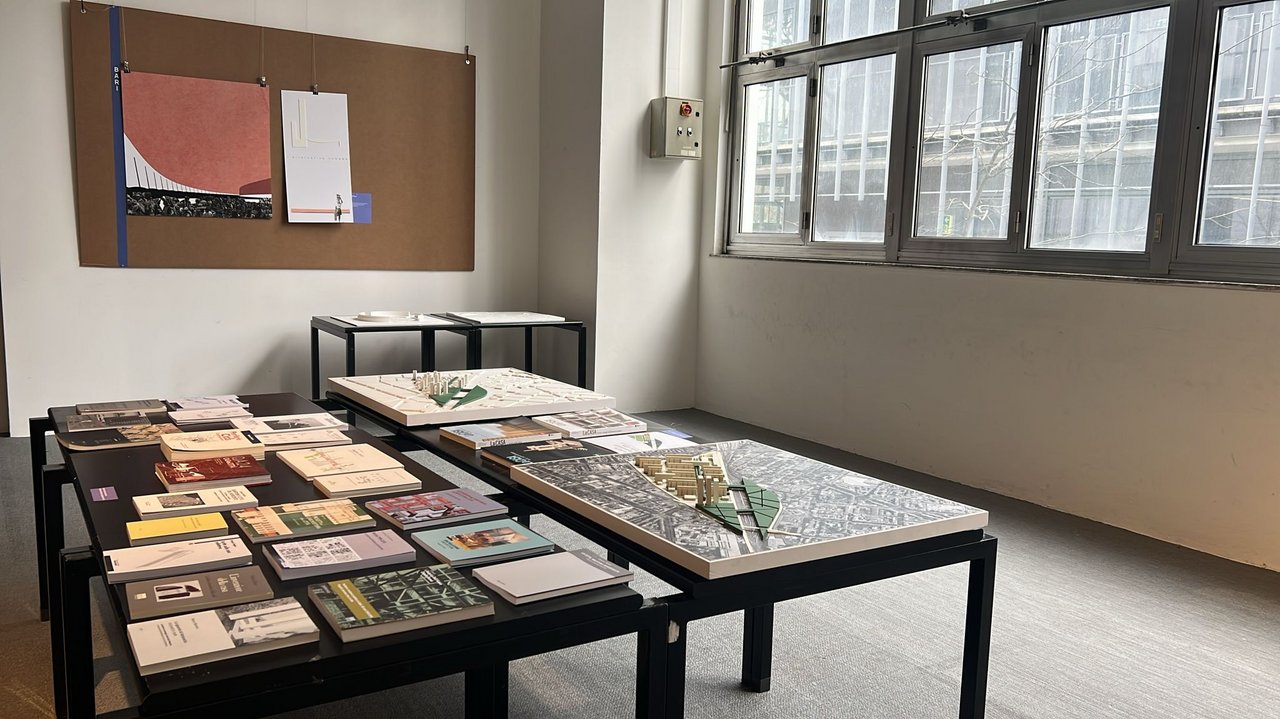
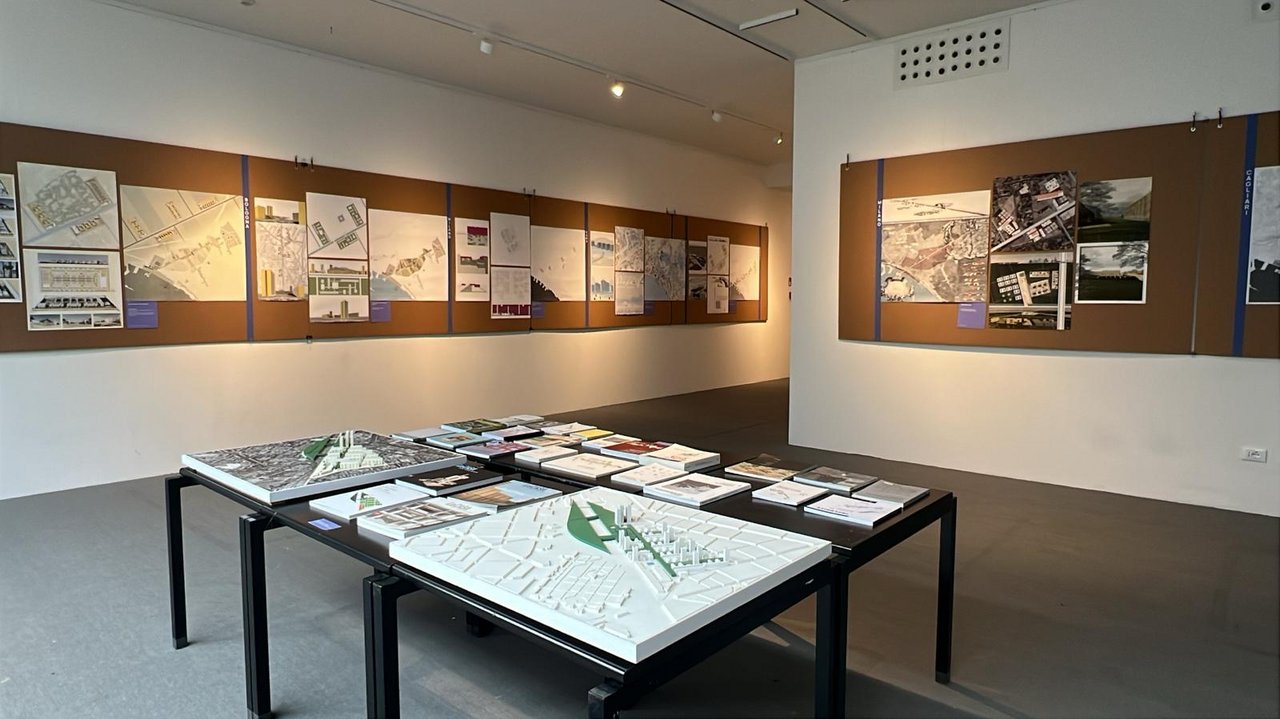
During the course of the research, the idea took hold that the issue of migrant housing should no longer be viewed in terms of emergencies and isolated cases, but rather as an opportunity to address problems of accessibility to the housing market and to implement urban regeneration policies. Convinced that design is the preferred tool through which architecture is understood and researched, once the Neapolitan group had formulated a masterplan settlement hypothesis, lecturers in architectural and urban composition from seven Italian architecture schools were invited to develop a design proposal consistent with the general principles.
What the INCLUCITY research sought to demonstrate is that the “housing issue for migrants” requires a paradigm shift that sees it become a resource rather than a problem, or at least a catalyst for resolving other issues that affect the future of our city for all those who live there together: because this is what a city is.
-
Flyer
PDF